Peptide Top Quality: Value Of Third-party Recognition
Recognizing Peptide Pureness Testing
Straight from the synthesizer with minimal handling-- typically just bosom from the material and rainfall. Pureness varies extensively, from 40% to 80%+ relying on sequence length and trouble. Unrefined peptides are suitable for applications where pureness isn't important, such as antibody manufacturing or initial screening assays where the target peptide just needs to be present, not dominant. Very closely related to truncations, removal peptides are full-length chains that are missing one amino acid someplace in the center. If topping isn't completely reliable, an uncoupled chain can remain to extend in subsequent actions, creating a peptide that's only one deposit except the target.These modifications alter the peptide's biological task and chromatographic account. Peptides are sensitive to temperature level, light, and enzymatic settings, making them susceptible to deterioration, which influences efficiency. BOC Sciences provides sped up security, light stability, and enzymatic degradation experiments to methodically assess solution stability dangers.
Exactly How To Review A Peptide Purity Examination: Hplc, Mass Spectrometry And Coa Interpretation For Uk Researchers (
- Peptide stability is analyzed under different problems to make sure dependability throughout research study and product growth.
- Relied on labs employ tested testing methods to analyze peptide examples and verify their pureness and chemical structure.
- For lots of peptide jobs, absolute peptide amount matters as long as chromatographic purity.
- According to strict evaluation quality control and biosynthetic quality assurance criteria, each peptide is strictly checked during the evaluation cycle.
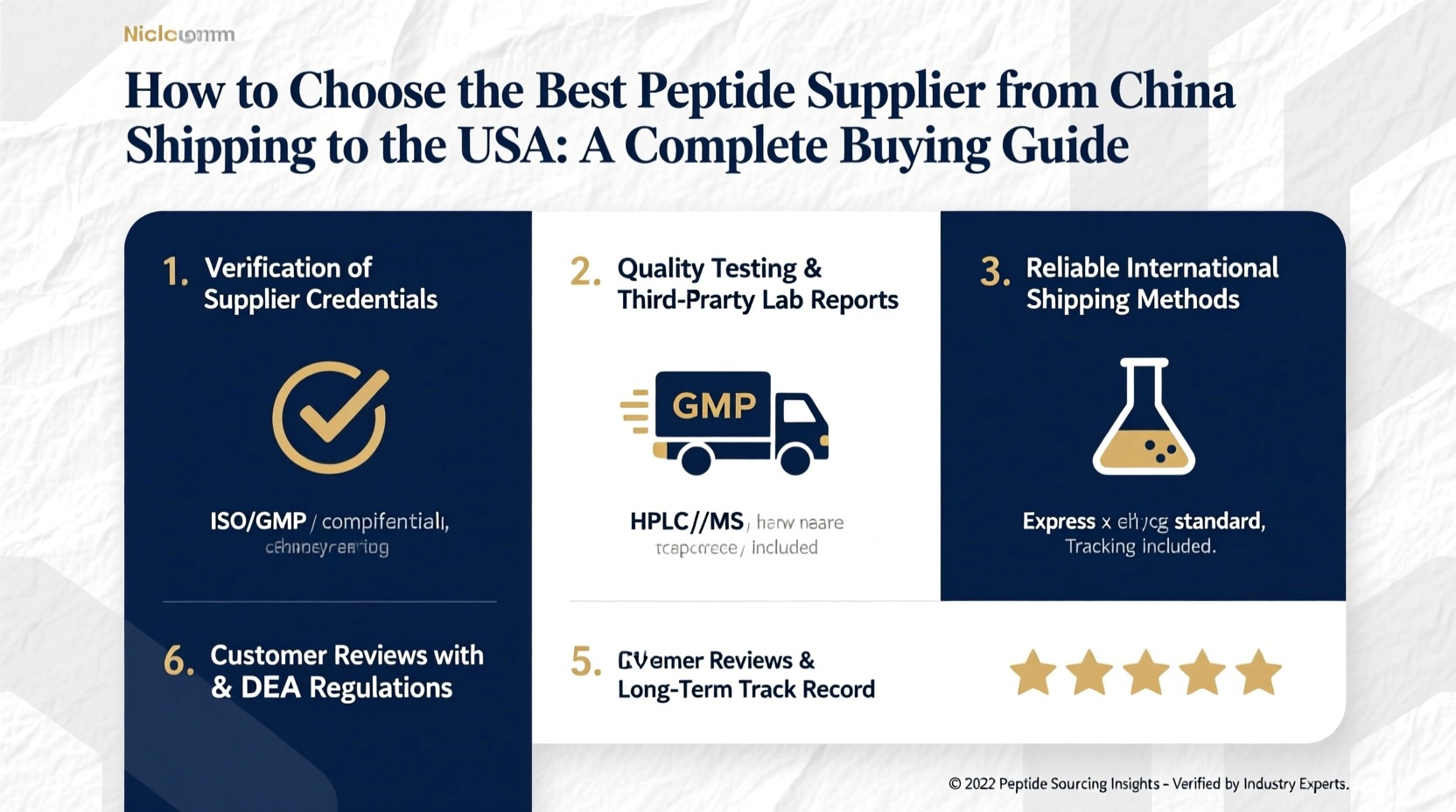
Reputable peptide providers always mark their items in this manner and supply top quality reports with HPLC and MS information to back up the pureness degree. As long as you acquire peptides from a trusted source that offers a complete certificate of evaluation, you can be positive in the peptide's purity quality and use range. Peptides are examined through a combination of strategies, including HPLC for purity, mass spectrometry (MS) for series confirmation, and nuclear magnetic resonance (NMR) for structural analysis. These methods aid recognize the peptide's make-up, validate the molecular weight, and detect any kind of structural alterations or impurities, making sure the peptide meets high quality and specification demands. With our extensive peptide evaluation platform, Innovative Proteomics has actually established a very sensitive and specific platform.
Added Analytical Examinations On Quality Coas
In theory, peptide pureness is evaluated by the chromatogram created by reversed stage HPLC, and furthermore, we can obtain the number and relative amount of possible by-products Visit the website by computing the peak location. A premium chromatogram has a solitary, symmetrical primary height with a flat baseline on either side. " Tailing"-- where the height tracks off slowly on one side-- can suggest column problems, example overloading, or additional communications in between the peptide and the fixed phase. In this configuration, the fixed stage is hydrophobic (water-repelling), usually C18-bonded silica. The mobile stage is a slope of water and a natural solvent like acetonitrile, frequently with a percentage of trifluoroacetic acid (TFA) to develop the tops.
Ms/ms Fragmentation: Series Verification
Selecting the appropriate outside research laboratory for peptide screening entails reviewing numerous aspects. A trusted lab needs to have demonstrable experience in peptide chemistry evaluation-- for example, PhD-level chemists or biochemists on team that recognize peptides' synthesis and deterioration pathways. Certification by appropriate bodies (such as ISO/IEC or accreditation for GLP/GMP compliance) is a solid indication of quality.
These can be especially problematic since their chromatographic habits is very similar to the target peptide, making them more challenging to separate throughout purification. When a peptide is 98% pure, that continuing to be 2% isn't arbitrary sound-- it specifies, recognizable types of results. Mass spectrometry measures the molecular weight of a compound with https://trentonjfaz457.almoheet-travel.com/peptide-purity-guide-98-99-research-grade-explained-prg severe accuracy. For peptides, the most common techniques are electrospray ionization (ESI-MS) and matrix-assisted laser desorption/ionization time-of-flight (MALDI-TOF). HPLC separates a combination into its individual elements based on how each particle interacts with a specifically created column. Each peptide has actually a various anticipated molecular weight, so mass confirmation is not a generic badge; it is compound-specific evidence. For a much deeper identity-focused explanation, see Mass Spectrometry Peptide Verification. Identification screening verifies that what was synthesized is in fact the intended sequence.